An emergency is a situation that has occurred and has the potential to cause:
- Loss of life
- Damage to property
- Harm to the environment
In the context of passenger ships, an emergency means any situation that puts the lives of people on board in danger.
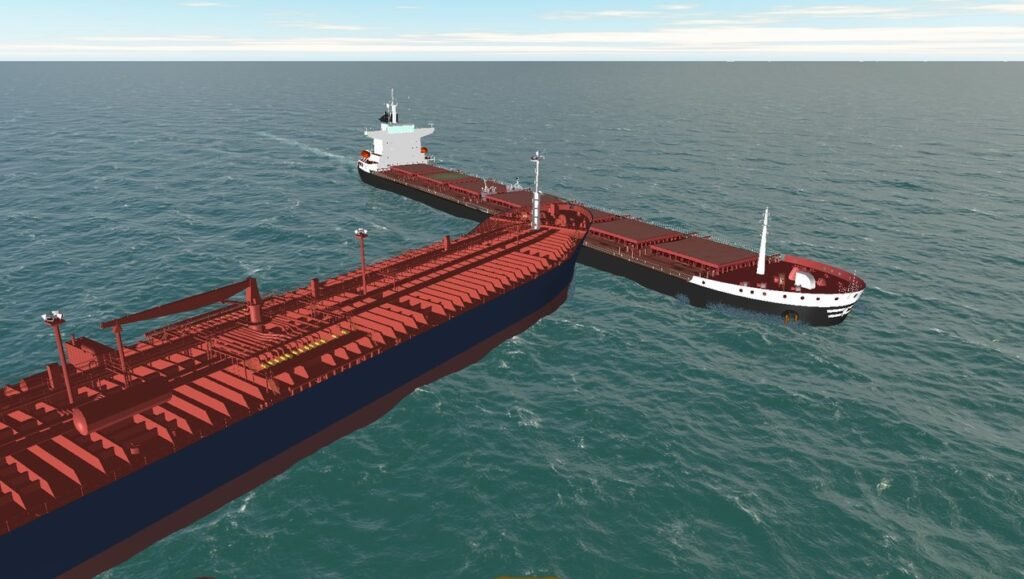
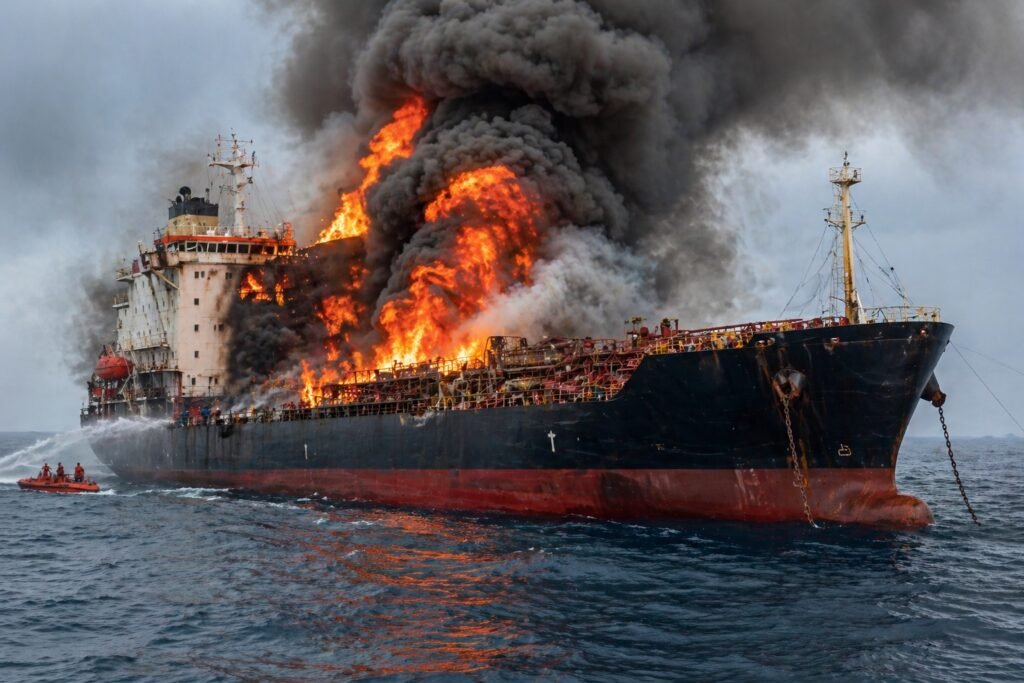
Emergencies usually happen because of some kind of accident. These accidents can occur while the ship is sailing at sea or while it is anchored. There can be many types of accidents, but the major ones that can put everyone’s life at risk are:
Running aground
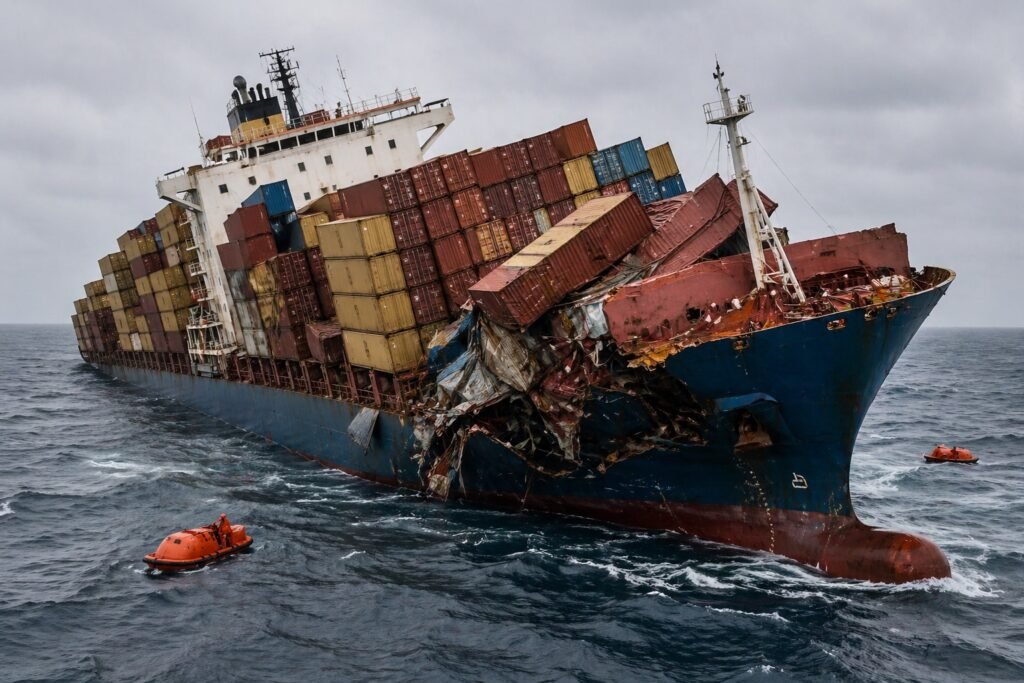
Collision
Fire
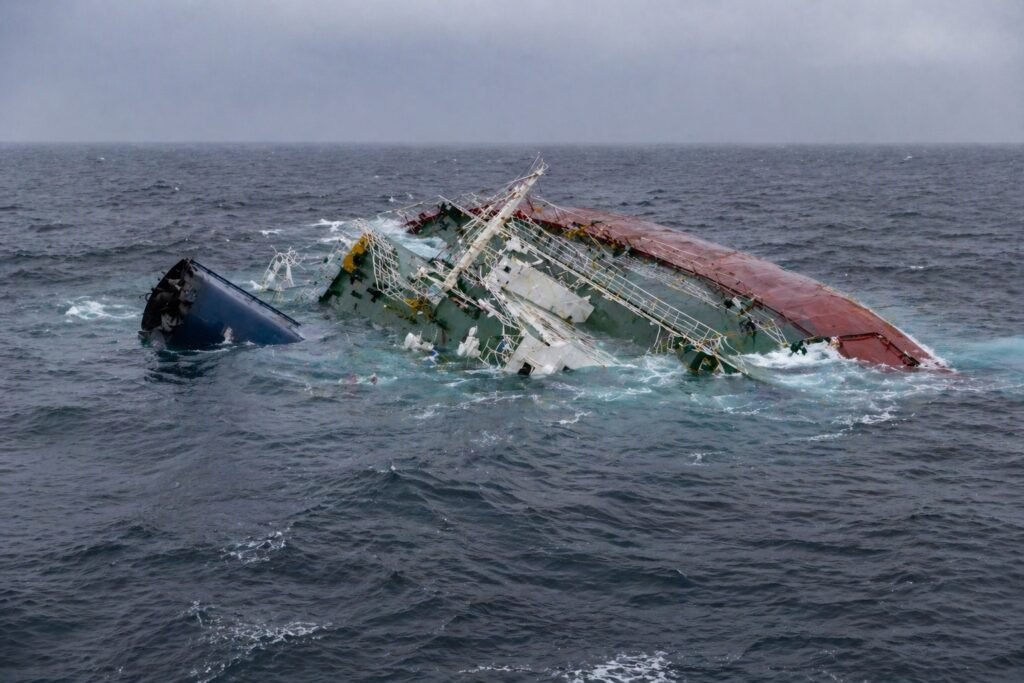
Sinking
Emergency Signals on Passenger Ships
Ships use special sound signals during emergencies. These are the important ones:
- General Emergency: 7 or more short blasts followed by one long blast on the ship’s bell, and then the same signal on the ship’s whistle.
- Fire Alarm: Continuous ringing of the bell.
- Man Overboard: Three prolonged blasts.
- Abandon Ship: This is given as a verbal order by the Master (Captain).
Decision Support System (DSS)
Every passenger ship must have a Decision Support System (DSS) as required by SOLAS Chapter III.
This system must include at least a printed emergency plan or plans. These plans must identify all possible emergency situations, including these main groups:
- Fire
- Damage to the ship
- Pollution
- Unlawful acts that threaten the safety of the ship and the security of passengers and crew
- Personnel accidents
- Cargo-related accidents
- Emergency assistance to other ships
Administrations may also allow a computer-based DSS in addition to the paper plans.
Emergency Organisations
When an emergency happens, the ship follows a clear team structure. The main emergency organisations are:
- Command Team
- Emergency Team
- Back-up Team
- First Aid / Support Team
- Technical Team
How to Tackle Emergencies and Stay Prepared
To be ready for any emergency, three important steps are followed:
- Familiarisation
When a new crew member joins the ship, the person they are replacing gives them familiarisation training. This includes explaining their duties and teaching them how to operate and maintain specific equipment.
- Training
After the initial familiarisation, all crew members receive regular training. This covers Life Saving Appliances (LSA), Fire Fighting Appliances (FFA), Personal Protective Equipment (PPE), safety systems on board, the company’s safety management system, good housekeeping, first aid, and rescue procedures.
- Drills
Regular practice drills are very important. These include:
– Passenger muster drill must be carried out before the ship departs. On voyages longer than one week, a full drill is done before leaving port, and then at least once every week during the voyage.
- All watertight doors must be operated daily.
- Lifeboats must be lowered and maneuvered once every 3 months.
- Lifeboat drill or Abandon Ship drill must be carried out weekly, or within 24 hours of leaving port if more than 25% of the crew has changed.
- Fire drill and General Emergency drills must be carried out once every month.
- The Ship Security Officer (SSO) must ensure that at least one security drill is conducted every three months to practice the Ship Security Plan.
Are Muster Drills Mandatory?
Yes, muster drills are mandatory. The main goal of a muster drill is to help all guests and crew members become familiar with their assigned muster station — the place where they must gather in case of an emergency. During the drill, guests are not required to bring their life jackets.