Knowledge of Emergency Exits and Ship’s Layout
It is very important for every crew member to know their way around the ship and to be able to reach their muster station quickly.
You must learn the ship’s layout (how the ship is organized) as soon as possible. A good way to do this is by studying the deck plans, color brochures, and the “Pax and Crew Stairs Plan.”
Knowledge of common ship terms for numbering systems, directions (port, starboard, forward, aft), and deck levels is essential so you always know where you are on the ship.
Restrictions on the Use of Elevators
In an emergency, elevators (lifts) must not be used. Stewards are posted to direct passengers to use stairs instead of elevators. Signs are also posted to restrict passengers from using elevators.
Problems that can happen if elevators are used include equipment failure and safety device failure. Clear signage is important to prevent confusion.
Assistance to Passengers En-route to Muster or Embarkation Stations
During the initial and intermediate stages of evacuation, passengers may face confusion and hindrance. Crew must help passengers move safely to their muster stations.
How Crew Should Behave:
- Establish clear authority
- Give clear and reassuring orders
- Maintain physical presence
- Pay attention to your location, clothing, and attitude
- Use simple orders
- Speak in a low-pitch, calm voice
- Repeat important information clearly
Good communication is very important. Passengers feel more secure when they can see and trust the crew member helping them.
Tip: Stand on a stage, high platform, or table so that passengers can see you immediately.
Areas Where Crew Are Posted to Help Passengers
- Arousing passengers in cabins
- Guiding in corridors and passageways
- Guiding on stairways
- Assisting at fire screen doors
- Elevator lobbies
- Intersections
- Muster station personnel
When Extra Help for Passengers is Needed
- Helpers are especially required for:
- Big groups with children
- Panic-stricken passengers
- Handicapped and passive passengers
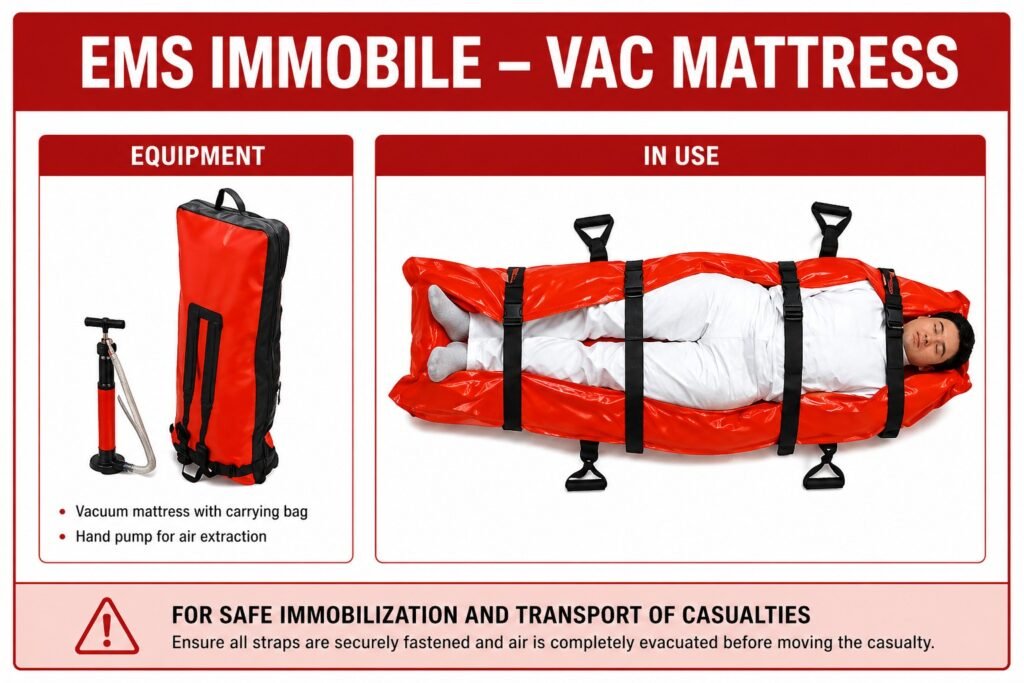
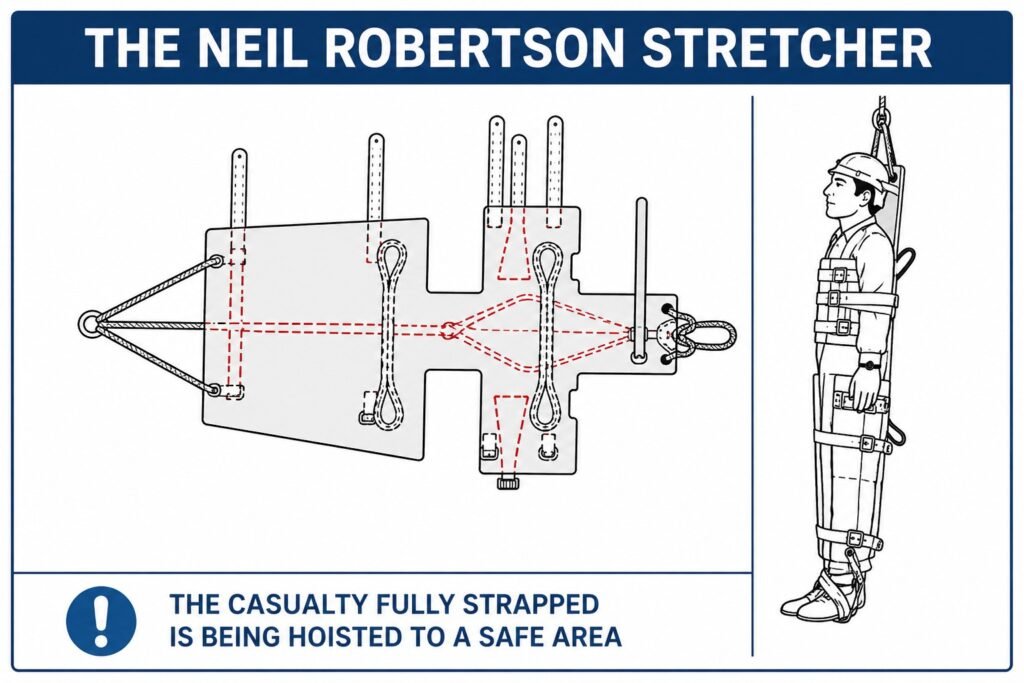
- Hurt and injured passengers
Escape Routes
An escape route is the complete passageway from your current location all the way to the muster station or embarkation station.
Escape routes must always be kept clear of obstructions. Common obstructions include:
- Laundry trolleys
- Bus boy push carts
- Provision boxes
- Luggage
- Locked doors
- Repair tools or equipment
- Fire fighting equipment
- Hard wares
Evacuation of Disabled Persons and Persons Needing Special Assistance
Special care must be taken while helping disabled passengers and those who need extra assistance.
Important points to consider:
- Know the location of passengers with disabilities
- Consider the attitude of the disabled passenger
- Communicate calmly
- Work with accompanying persons
- Handle life-support equipment carefully
Search of Accommodation Spaces
- When searching cabins during an emergency:
- Mark the door of every searched cabin
- Ensure the safety of the search team
- Use proper equipment
- Keep actions well communicated
- Perform coordinated actions
- Work with efficiency and speed
Mustering Procedures
Crew must be familiar with the major considerations to keep order and avoid panic during mustering.
Important actions include:
- Know the importance of passenger lists and roll calls
- Check that passengers are wearing proper clothing and have correctly donned lifejackets
- Do activities to distract passengers and relieve tension
- Prepare passengers for abandon ship by forming “crocodile queues” (orderly lines)
Muster Station Personnel Tasks
Muster station personnel have many important responsibilities. Their tasks include:
- Maintain calm and seat all passengers if possible
- Explain that issuing lifejackets is only a precautionary measure
- Issue lifejackets to passengers
- Maintain silence and stand where you can be clearly seen
- Demonstrate how to wear a lifejacket correctly
- Instruct passengers to don (put on) lifejackets
- Assist passengers where necessary and ensure lifejackets are worn correctly
- Maintain calm, reseat passengers, and ask for silence
- Commence crew count
- Detail some crew members to assist old and disabled passengers
- Explain what is happening, but only on a need-to-know basis and keep it factual
- Inform passengers that control parties are dealing with the incident
- Assure them that the Captain is in full control of the situation
- Explain that the boat preparation team is taking precautionary measures only
- Update information as and when required
- Explain evacuation procedures and clearly indicate the exits
- Assure passengers that the ship is still the best lifeboat
- Explain the abandon ship procedures when necessary
- Communicate the passenger and crew headcount to central command
- Continue to maintain calm and reassure passengers at all times