
The purpose of this lecture is to familiarize the trainees with cargo properties of oil & chemicals and the terms that are used to describe them. The learning objective is by the end of the course the trainees should be able to read and understand the necessary data given in the ICS or other Cargo Data Sheets. The physical properties of oil & chemical cargoes that are important in their containment, handling and transportation are explained and discussed.

Properties and Terminology At the end of the course the trainees should be able to define and explain the terminology and abbreviations commonly used on board oil and chemical tankers and in terminals. It is not considered necessary to spend the whole lecture going through a dictionary of terms, but the most commonly used trade terms should be explained and used intentionally during the course so that the trainees will become familiar to them.
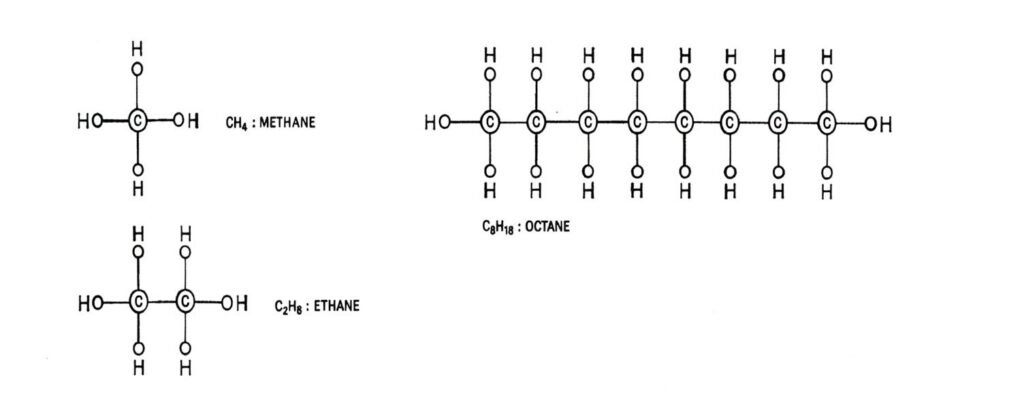
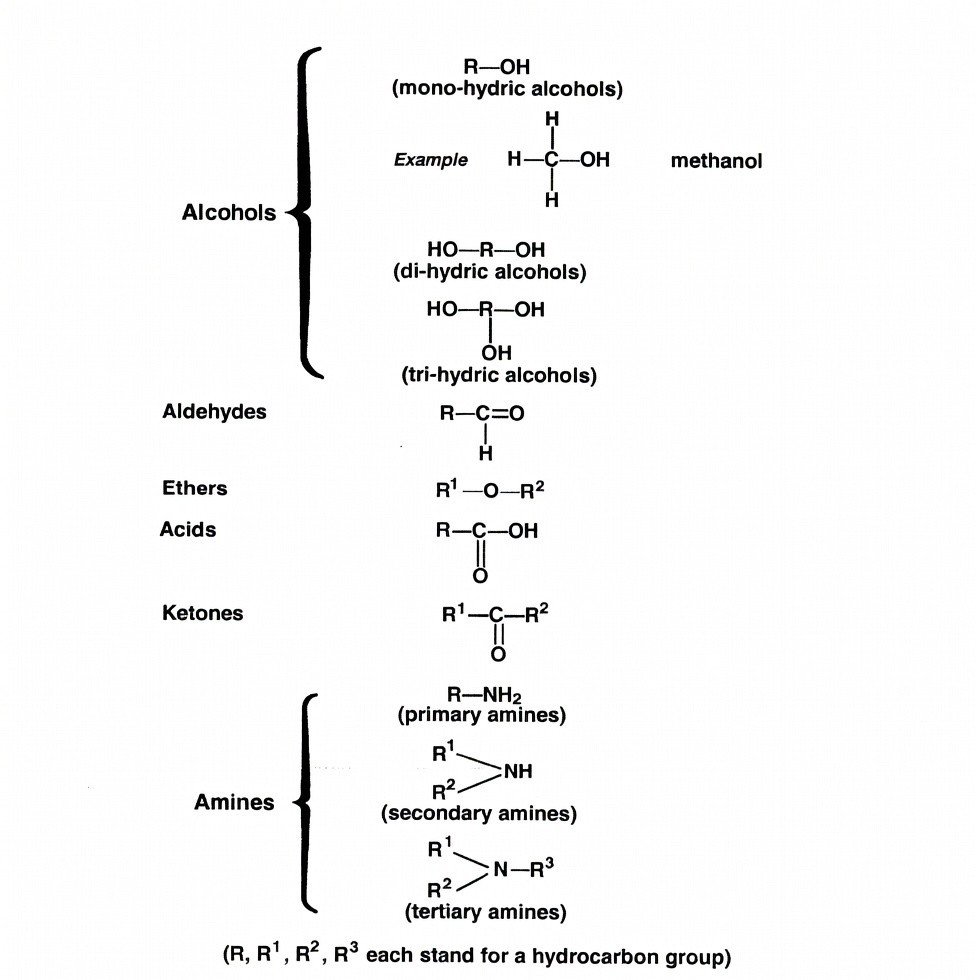
It would be useful to discuss and explain some of the more complicated or technical terms or definitions, such as airlock, anesthetics, anti-static additive, auto ignition, boil-off, dangerous area, earthing, explosion-proof, flame screen, flammable, flammable range, flashpoint, gas-free, gas-free certificate, hot work, inert condition, petroleum, petroleum gas, pour point, pressure surge, purging, spontaneous combustion, static electricity, TLV and toxic vapour. There may be other terms or definitions which are not listed or which may require further elaboration; these can be added to the list or dealt with during presentations.
If the necessary apparatus is available, some or all of the tests to evaluate these properties can be demonstrated or carried out as a group exercise.