Experience has shown that the rescue of persons from within an enclosed space can be extremely hazardous and especially so in cases of oxygen deficiency. These risks are heightened where access to a compartment can only be achieved with difficulty. In such circumstances, it is vital that rescuers always pay strict attention to the correct procedures and the use of proper equipment and do not rush into ill-considered action. Many fatalities have resulted from failure to comply with these basic rules.
For training purposes, full-scale exercises in non-hazardous atmospheres have been found extremely beneficial. Exercises involving weighted dummies, with rescuers wearing protective equipment and breathing apparatus, are essential if rescue teams are to be properly prepared for a real emergency. Such simulations are often conducted by ship’s personnel. They can also involve terminal employees and shore based emergency services such as the fire brigade. A9 can be used to conduct a simulated training, include the use of SCBA (Reference A3).
Proper Use of Protective Clothing and Equipment (0.5 hours) The instructors should note that it is recommended that the trainees should be drilled in the use of:
- self-contained compressed-air breathing apparatus
- EEBD
- a complete set of safety equipment
- tank evacuating equipment
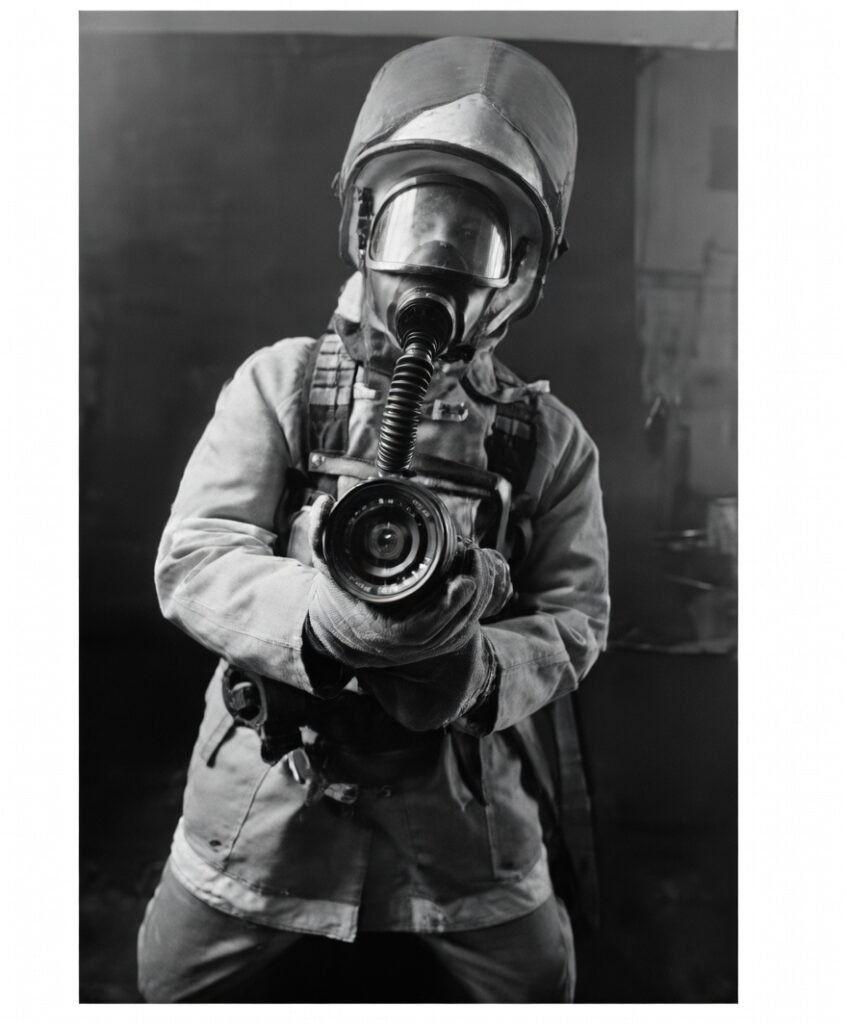
Trainees should be made familiar in the use of protective clothing and equipment. All recommended PPE must be shown for demonstration purpose (Video / CBT can be used instead of physical equipments)
Proper Use of Resuscitators Trainees should be drilled in the use of resuscitation equipment (A2).
Proper Use of Rescue and Escape Equipment Pump-rooms have permanent arrangements for hoisting an injured person with a rescue line. Timely evacuation and resuscitation may save lives.