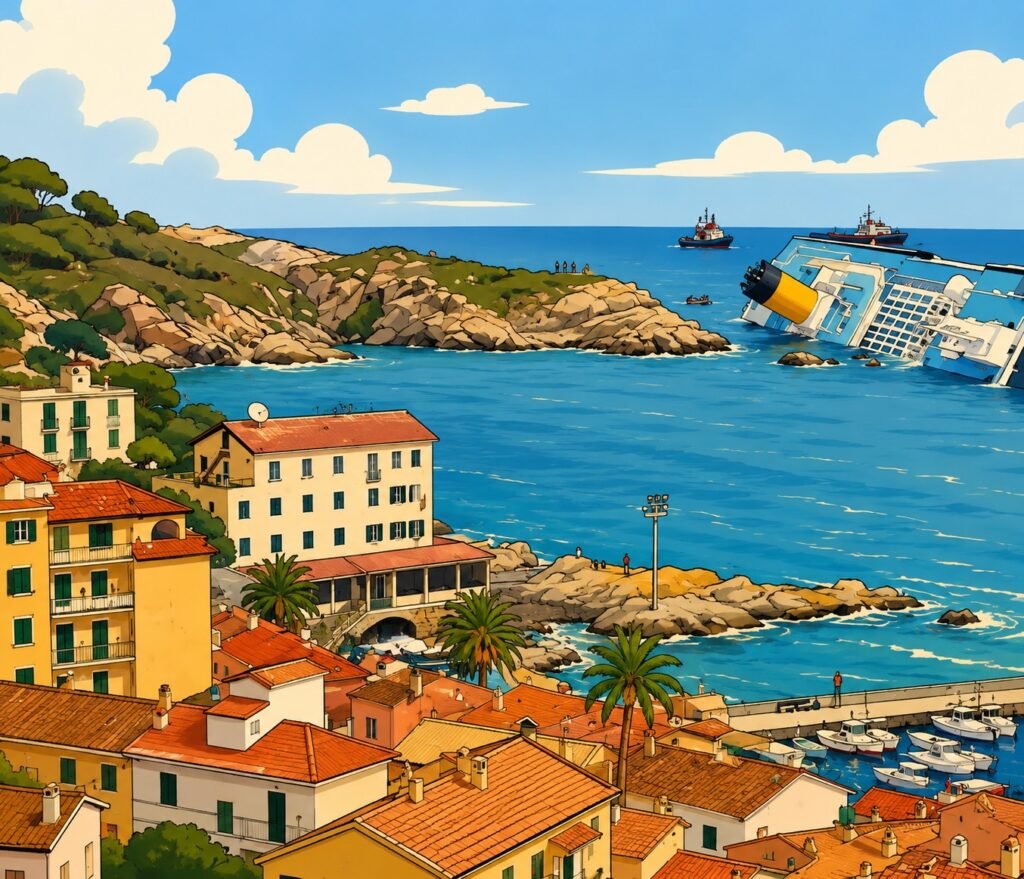
Foundering refers to a situation where a ship takes on water due to damage, such as striking a reef, submerged object, or uncharted rock, causing the vessel to lose stability and eventually sink or capsize.
Throughout maritime history, ships of every type have been lost due to
foundering. Although modern ships are equipped with sophisticated navigation systems, electronic charts, radar, GPS, and advanced communication equipment, accidents continue to occur. According to international statistics, approximately 100 to 150 merchant vessels of 500 gross tons or more are lost each year despite these technological advancements and highly trained professional crews.
Modern rescue technology has greatly improved the chances of survival compared to previous generations. Search and rescue organizations now have access to advanced communication systems, satellite tracking, and
emergency locating devices, significantly increasing the likelihood of locating survivors. Nevertheless, tragic accidents still occur. One notable example is the sinking of the MS Estonia in 1994, where more than 800 passengers and crew members lost their lives in the Baltic Sea.
Ships operating at sea face numerous hazards, including severe weather, rough seas, onboard fires, machinery failures, steering failures, rigging failures, grounding, collisions, cargo shifts, flooding, and many other risks. Many of these hazards can be anticipated and mini
mized through proper planning, maintenance, navigation practices, and adherence to established safety procedures.