General Care of Wounds
Wounds can be classified into six main types: abrasions, avulsions, contusions, incisions, lacerations, and puncture or stab wounds. Abrasions occur when the skin is scraped or rubbed off, often causing pain and minor bleeding, but they carry a risk of infection due to embedded dirt or grease. Avulsions are severe open wounds where tissue is torn away, often caused by machinery, explosions, or animal bites, and are usually associated with heavy bleeding. Contusions, or bruises, are closed wounds caused by blunt force, leading to swelling and pain due to bleeding under the skin; fractures should be considered if the injury is over a bone.
Incisions are clean cuts caused by sharp objects like knives or glass, and they may bleed heavily depending on their depth and location. Lacerations are irregular, jagged wounds caused by blunt or tearing forces, often contaminated with foreign material, increasing infection risk. Puncture wounds are caused by sharp objects such as nails or splinters; although the external wound may appear small, internal damage and infection risk are significant, including dangers like tetanus or gas gangrene.
Tetanus prevention is important in wound care. If the patient has not been immunized, tetanus immune globulin and tetanus toxoid should be administered as appropriate. When in doubt, radio medical advice should be sought.
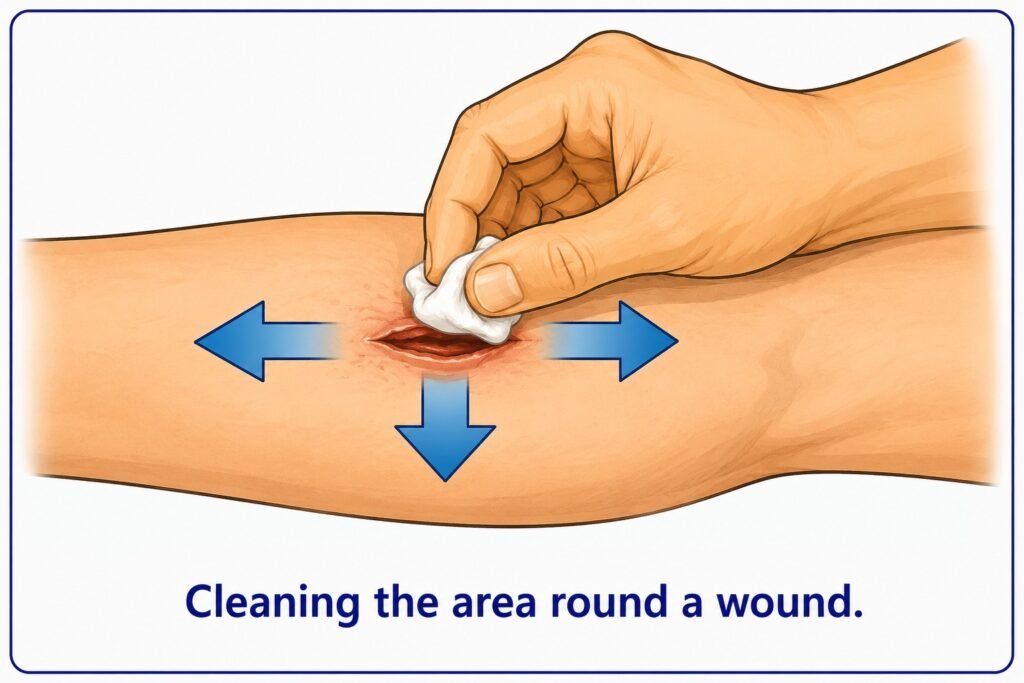
Before treating a wound, all instruments and materials should be sterilized and arranged properly. The wound should be inspected carefully, and any foreign bodies removed using forceps. The surrounding skin should be cleaned using cetrimide solution, working from the wound outward. If necessary, hair around the wound should be shaved. Gentle pressure is usually enough to stop bleeding, but if a blood vessel continues to bleed, it may need to be tied using sterile techniques.
Closure of Wounds
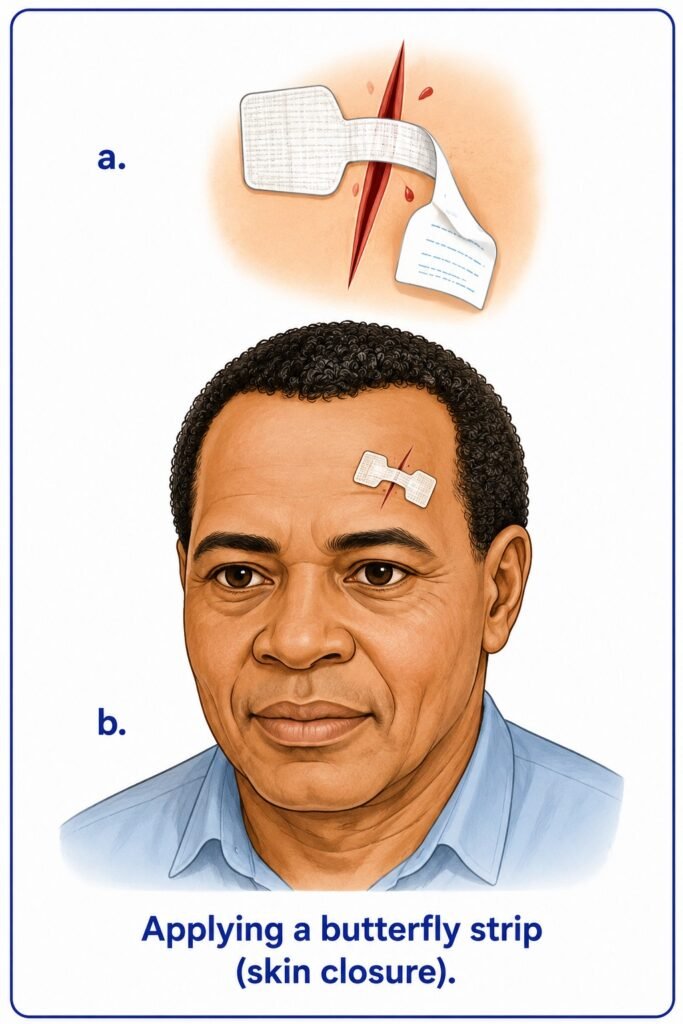
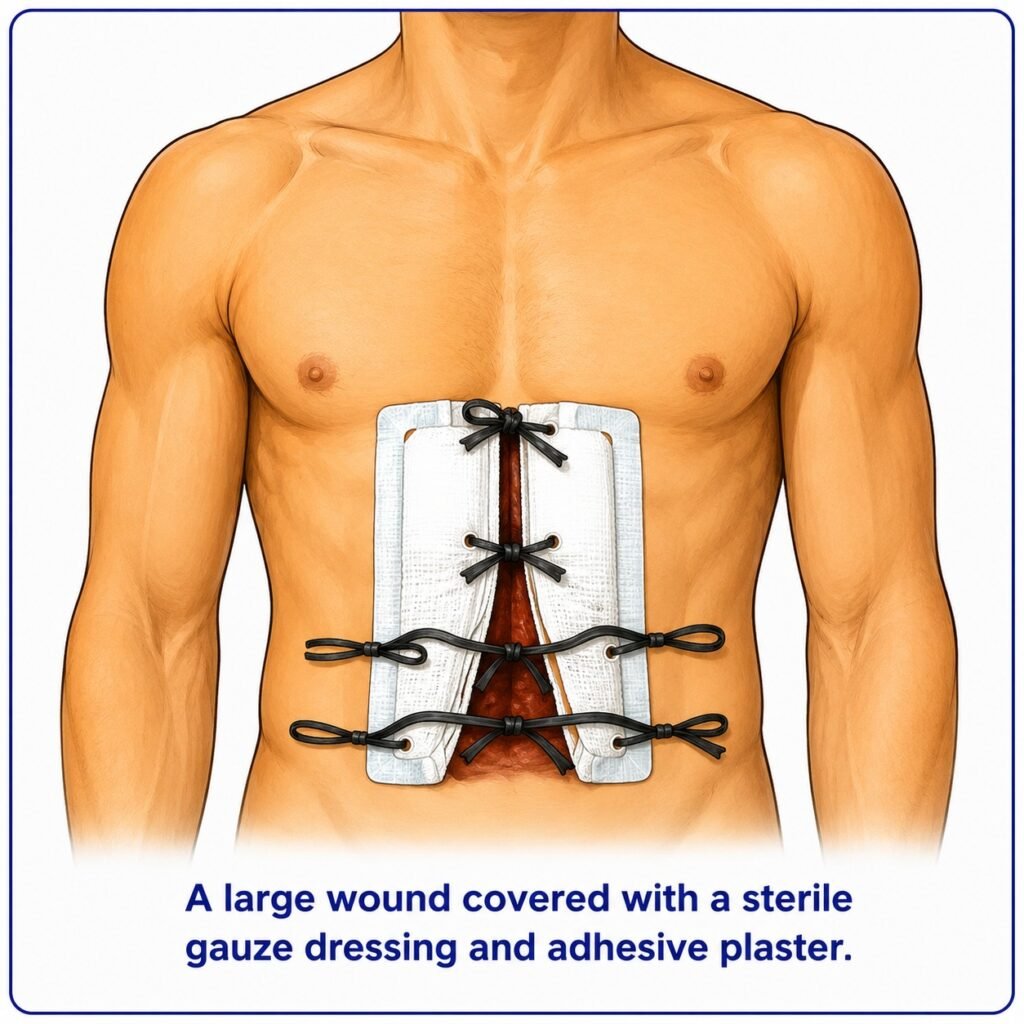
Simple wounds can often be closed using adhesive plaster strips or butterfly closures, which help bring the edges of the wound together. These should only be applied when the wound edges are clean and dry. Larger wounds may require more support using gauze and adhesive strips arranged to pull the wound edges together.
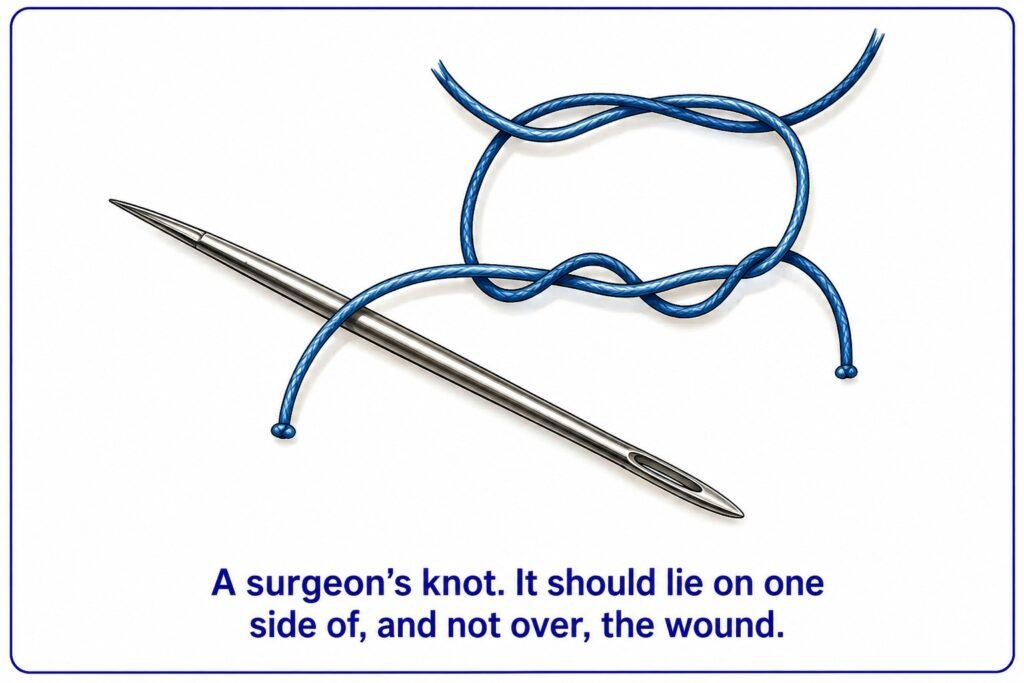
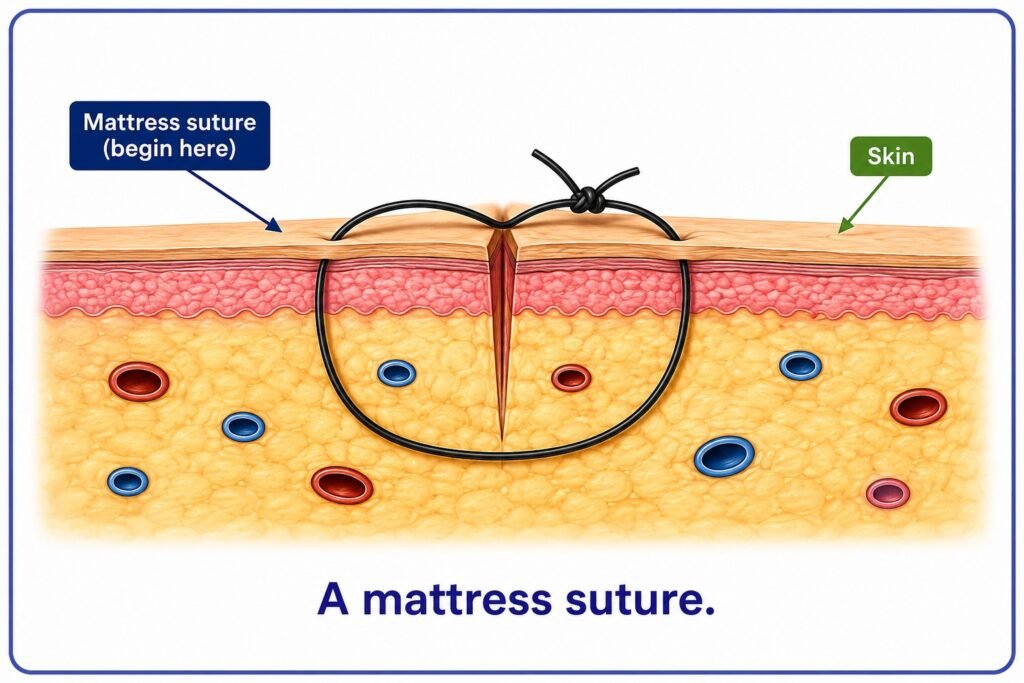
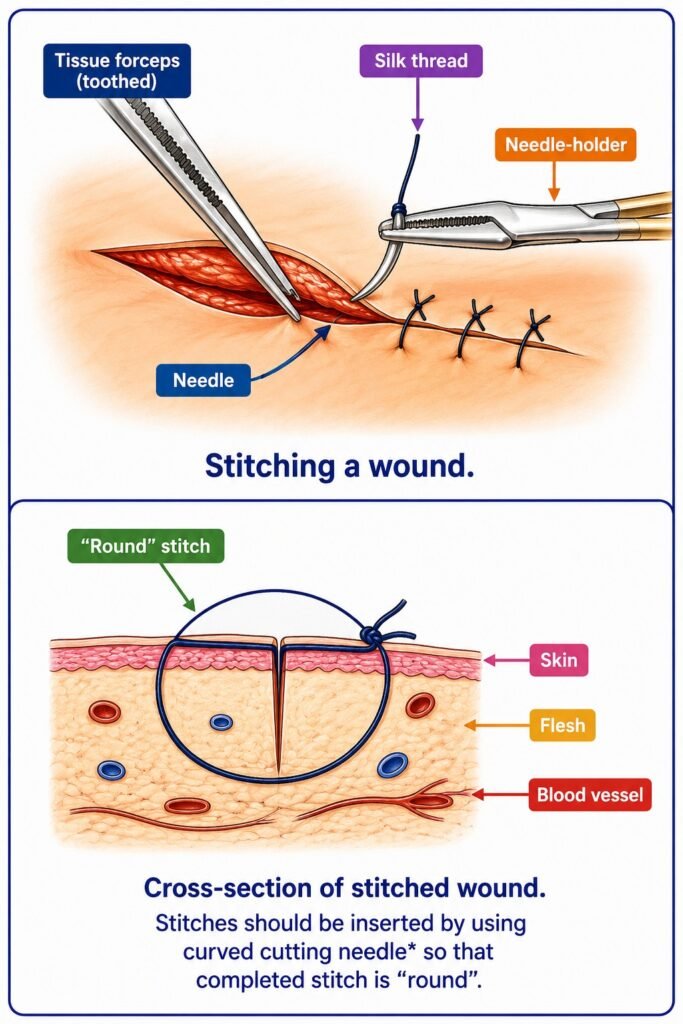
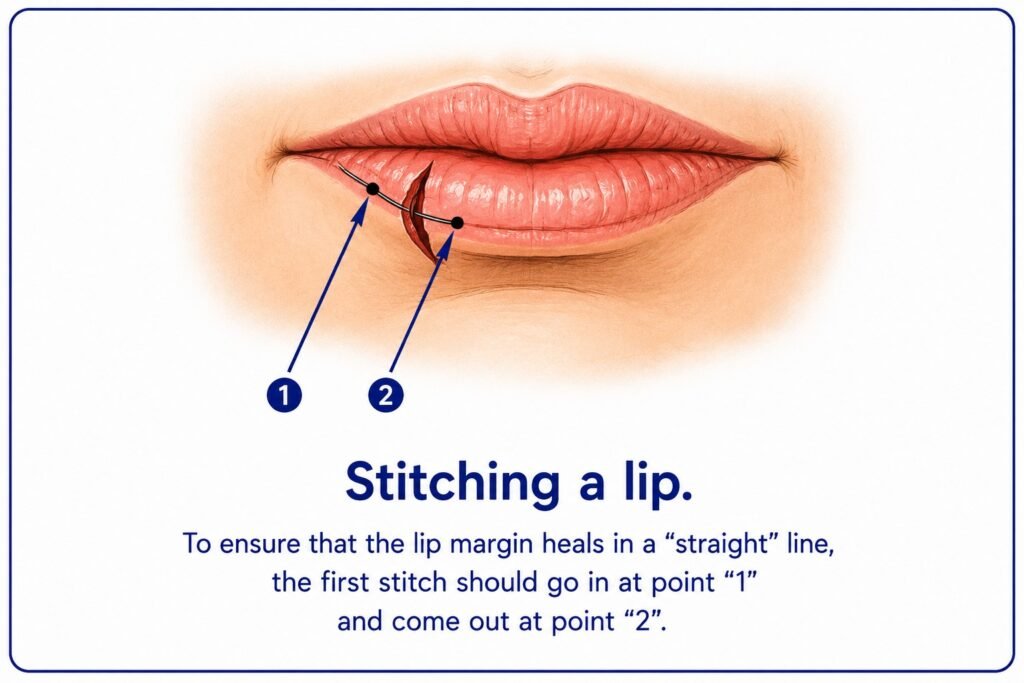
Deep or gaping wounds may require suturing, but this should only be done if both the skin and deeper tissues can be properly aligned. Wounds older than six hours or those at risk of infection should not be sutured. Suturing involves using sterile needles and thread to stitch the wound edges together carefully, ensuring proper healing. After suturing, the wound should be dressed and monitored for infection. Stitches are usually removed after about seven days, though scalp wounds may heal faster.
If a wound cannot be sutured, it should be packed with sterile gauze and dressed regularly. Elevation of the affected limb helps reduce swelling and promote healing.